10 Color Font and SVG Fonts to Transform Your Creative Work
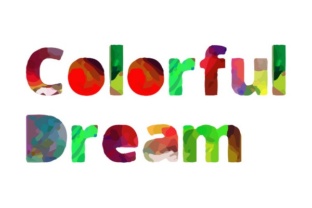
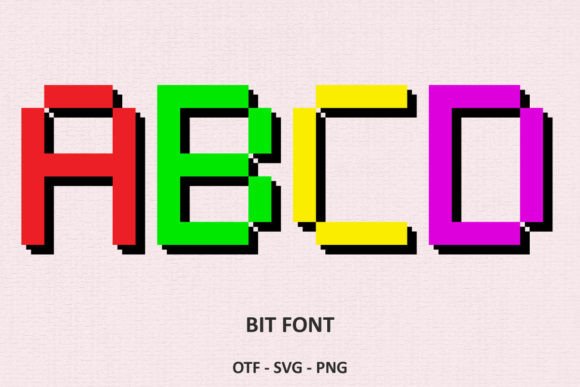
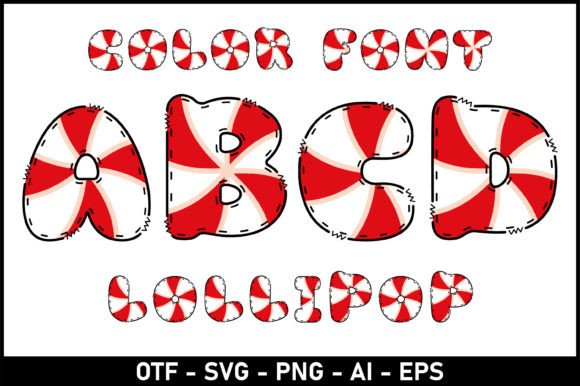
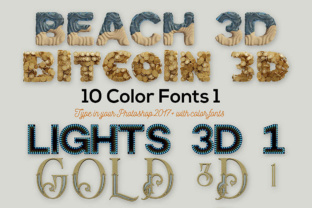
When standard monochrome typography feels too flat for a project, color fonts offer an immediate solution. These are not just typefaces; they are designed illustrations embedded within the font file itself, ready to be used with a simple keystroke. For creators looking to inject vibrancy and dimension into their work without complex layering, a collection like 10 Color Font provides a versatile starting point. This set features ten distinct color font styles, each bringing a unique personality—from retro neon glows to hand-painted watercolor effects—directly into your design toolkit.
Understanding the Power of Color SVG Fonts
A color font, specifically an OpenType-SVG font, is a format that supports gradients, transparency, and multiple colors within a single glyph. Unlike traditional fonts that rely on a single solid color, these fonts carry their own color information and visual details. The 10 Color Font collection leverages this technology to deliver typefaces that look pre-designed and polished. It’s important to note the compatibility: these OTF and TTF files work seamlessly in applications like Adobe Photoshop, Adobe Illustrator, Silhouette Studio, and Inkscape. However, they are not compatible with Cricut Design Space, which is a critical consideration for crafters planning physical projects.
Practical Applications for Designers and Creators
The real value of a tool like this lies in its application. Here’s how different professionals can integrate these colorful typefaces into their workflows.
For Digital Marketers and Social Media Managers
Attention is the currency of social media. A bold, multi-hued headline created with a color font can stop a scroll far more effectively than plain white text on a photo. Use a vibrant, retro-style color font from the collection for Instagram story headers or YouTube thumbnail titles. The built-in texture and shading add a layer of professionalism and visual interest that would otherwise require time-consuming manual effects. For a cohesive brand look, select one or two styles from the set and use them consistently for announcements or quote graphics.
For Bloggers and Content Creators
Blog headers and featured images are prime real estate for expressive typography. Instead of using a standard serif or sans-serif, a playful, hand-lettered color font can instantly set the tone for a lifestyle, food, or craft blog. For example, a watercolor-style font is perfect for wedding or floral content, while a bold, cartoonish font suits family or entertainment topics. This approach makes your content more visually distinctive and can reinforce your niche identity to readers at a glance.
For Freelance Designers and Branding Specialists
When developing brand identities, especially for clients in creative industries, color fonts can serve as a key element of a visual system. They are particularly effective for logos, monograms, or accent typography in brand guidelines. A client like a boutique bakery, a children’s party planner, or a music producer might appreciate a typeface that has built-in character. The key is to use it strategically—not for body copy, but for impactful moments where the font’s personality shines without sacrificing readability.
For Educators and Hobbyists
Creating engaging materials for classrooms, workshops, or personal projects becomes easier with these fonts. Design eye-catching title slides for presentations, create fun worksheet headers, or personalize invitations and greeting cards. The visual appeal of the fonts can make educational materials more engaging for students or add a special touch to handmade gifts for friends and family.
Creative Strategies for Effective Use
While color fonts are exciting, using them effectively requires some thought. Here are practical tips to ensure your designs remain clear and professional.
- Pair with Simplicity: Because color fonts are visually complex, pair them with clean, neutral sans-serif fonts for body text. This creates a hierarchy and prevents the design from becoming overwhelming. Let the color font be the star of headlines or short phrases.
- Consider Context and Scale: Highly detailed or textured color fonts often look best at larger sizes. Use them for display purposes—posters, headers, logos—rather than for small body text where details might become lost and readability could suffer.
- Mind the Background: Ensure there is sufficient contrast between the font’s colors and your design background. A colorful font on a busy, patterned background can clash. A solid, neutral background often allows the font’s details to stand out best.
- Check Licensing for Commercial Use: Always verify the license for any font collection you purchase. Understand what is permitted for client work, merchandise, or digital products to avoid future legal issues.
Expanding Your Typographic Toolbox
The 10 Color Font collection is more than just a set of files; it’s an invitation to experiment. It pushes you to think about typography not just as a carrier of words, but as a core visual element. By integrating these fonts, you can quickly prototype ideas, add flair to client presentations, or develop a unique style for your own brand’s communications. The key is to start with a specific goal—like creating a standout social media graphic or a memorable blog header—and use the font to achieve that objective. For a deeper dive into setup and advanced techniques, consulting the Ultimate Font Guide is a recommended next step to master the technical side of color font implementation.
Ultimately, tools like these are meant to expand your creative possibilities. They provide a shortcut to visual complexity, allowing you to focus more on the message and less on the technical execution of effects. Whether you’re designing a digital product, crafting a marketing campaign, or personalizing a project, having a library of expressive, ready-to-use color fonts ensures you always have the right typeface to make your work stand out.