Evaluating Best Font 3D: A Practical Look at a Modern Display Typeface
In the crowded landscape of digital typography, finding a font that strikes a balance between contemporary style and practical application can be a challenge. Best Font 3D enters this space as a 3D and modern display typeface, designed to add immediate depth and visual weight to any project. This article provides a practical evaluation of its characteristics, ideal use cases, and potential limitations for professionals and creators.
Understanding the Core Characteristics
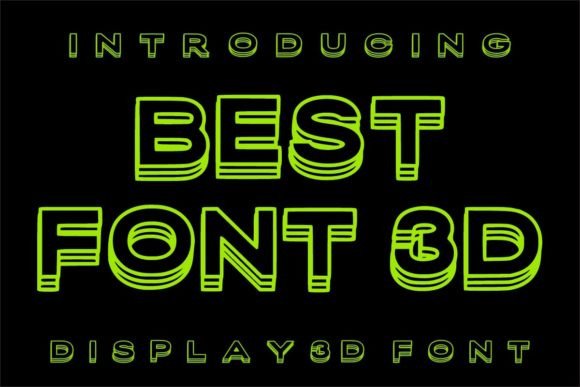
At its heart, Best Font 3D is a display typeface, meaning it is crafted for impact at larger sizes rather than for extended body text. Its defining feature is the integrated three-dimensional effect, which creates an illusion of depth and solidity. This is not a simple outline or shadow added in post-production; the dimensionality is baked into the letterforms themselves. The design leans into a modern aesthetic with clean lines and a confident, assertive structure. The letters are typically uniform in weight, contributing to a strong, cohesive presence on the page or screen.
The practical value of such a font lies in its ability to command attention without requiring complex layering or effects in design software. For a busy professional or small business owner, this can streamline the design process. The visual impact is immediate, making it a potential asset for projects where strong, assertive typography is a priority. However, its effectiveness is highly context-dependent, which is a critical consideration for any user.
Practical Strengths and Real-World Application
Where Best Font 3D truly excels is in specific, high-visibility applications. Its structure and built-in depth make it well-suited for:
- Event Marketing: Posters, flyers, and social media graphics for parties, concerts, or sales events benefit from the font's energetic and modern vibe. It can help set a dynamic tone quickly.
- Retail and Pricing: Price tags, shelf talkers, and promotional signage can use this font to draw the eye to key information, like a discount percentage or a featured product name.
- Digital Content Headers: For bloggers, YouTubers, or podcasters, using Best Font 3D in thumbnail images or channel art can create a consistent, branded look that stands out in a feed.
- Branding for Specific Niches: Businesses in tech, gaming, entertainment, or youth-oriented markets might find the font aligns well with their brand identity for logos, merchandise, or headers.
From a usability perspective, its consistency is a strength. Because the 3D effect is part of the font file, it ensures uniformity across all characters, which can be more reliable than manually adding effects that might render slightly differently on various devices or in different software. This reliability is valuable for maintaining brand consistency across multiple touchpoints.
Considering Limitations and Audience Fit
No typeface is universally perfect, and understanding the constraints of Best Font 3D is as important as knowing its strengths. Its primary limitation is its specialized nature. The very 3D effect that makes it powerful for headlines can become a liability in other contexts.
Using this font for long paragraphs or at small sizes would severely compromise legibility. The added dimensionality can cause letters to visually merge, creating a dense, unreadable block of text. It is therefore not a replacement for a workhorse sans-serif or serif font used for body copy. Its role is strictly as an accent or headline font.
Furthermore, the assertive style may not suit every brand or project. For a law firm, a luxury wellness brand, or a project requiring a tone of quiet elegance or serious neutrality, the bold 3D effect might feel out of place or overly casual. It is a font with a distinct personality, and that personality needs to align with the project's message.
Strategic Recommendations for Use
To integrate Best Font 3D effectively into a workflow, consider these practical steps:
- Pair Thoughtfully: Combine it with a simple, highly legible sans-serif font for supporting text. This contrast allows the display font to shine without overwhelming the design. Think of Best Font 3D for the main title and a font like Roboto or Open Sans for the subtitle or body.
- Test for Scalability: Before committing to a final design, test how the font renders at the specific sizes you intend to use. Check its clarity on both high-resolution screens and in print mockups if applicable.
- Evaluate Color and Background: The 3D effect interacts with color and background complexity. It often works best with solid, contrasting backgrounds. Busy or textured backgrounds can compete with the font's built-in depth, reducing its effectiveness.
- Consider the Long-Term: Assess whether the modern, 3D style will remain relevant for your project's lifespan. For a one-off event poster, trendiness is fine. For a long-term brand logo, consider if the style has enough timeless quality to endure.
Conclusion: A Targeted Tool for Visual Impact
Best Font 3D is not a foundational font for every designer's library, but it is a potent tool for a specific set of tasks. Its value lies in its ready-made depth and contemporary feel, offering a quick way to inject energy and focus into designs aimed at capturing attention in competitive visual spaces. For marketers, event organizers, content creators, and businesses in dynamic industries, it can indeed be an incredible asset when used judiciously and paired with complementary, more neutral typefaces. Its effectiveness ultimately depends on a clear understanding of the project's goals and audience, ensuring that its strong visual voice supports rather than overshadows the intended message.