Finger Prints Glyph Font: A Natural Design Resource Guide
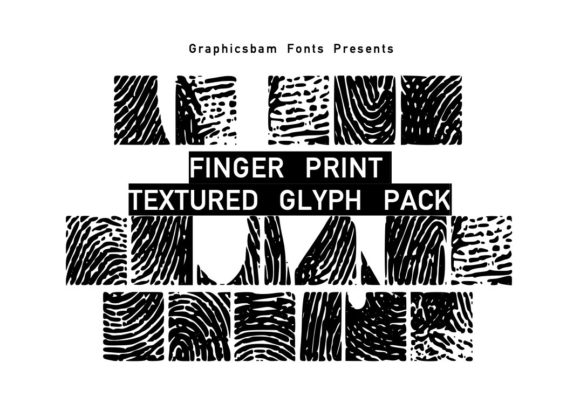
The Finger Prints Glyph Font is a specialized design asset that changes the way we approach organic textures in digital work. At its core, it is a massive collection of glyphs—individual vector symbols—featuring high-resolution finger and palm print patterns. Unlike standard typography where you type words, this font allows you to type "shapes." Each keystroke produces a unique biometric texture, offering a gritty, realistic aesthetic that stock images often struggle to replicate.
This resource is not just about adding a literal fingerprint to a design; it is about introducing natural chaos and organic flow into your projects. For many, the appeal lies in the seamless integration. You do not need to be a Photoshop expert to use it. By simply selecting the font in your favorite design software and hitting a key, you can drop a high-quality texture onto a canvas. However, the value of this tool varies significantly depending on who is using it and why.
Why Texture Matters to Creators and Professionals
In the world of digital design, "flat" has been the standard for a long time. But there is a growing trend toward tactile, "real-world" aesthetics. Whether you are a blogger looking to add a personal touch to your headers or a marketer trying to break through the noise of sterile corporate graphics, texture is a powerful tool. The Finger Prints Glyph Font taps into this need for authenticity.
For creators and hobbyists, the primary draw is often creativity and ease of use. You might be working on a digital scrapbook, a mixed-media art piece, or a unique greeting card. The ability to layer these glyphs allows you to build complex, grunge-style backgrounds without manually painting every stroke. It offers a low barrier to entry; even if you are a beginner with limited technical skills, you can achieve a sophisticated look in minutes.
Conversely, freelancers and graphic designers evaluate this font based on flexibility and quality. Because the glyphs are vector-based (assuming standard font formats), they can be scaled up or down without losing resolution. This is crucial for professional printing. A freelancer can use a single glyph as a subtle watermark on a business card or blow it up to cover a poster background. The reliability of the file format ensures that it integrates smoothly into vector workflows in Illustrator or Affinity Designer.
Practical Applications for Different Audiences
Understanding how to apply the Finger Prints Glyph Font requires looking at specific use cases. The utility of a fingerprint texture shifts depending on the end goal, ranging from aesthetic enhancement to thematic storytelling.
For Small Business Owners and Entrepreneurs
If you are running a small business, your brand identity is everything. You might be looking for a way to symbolize "human touch," "security," or "uniqueness." A small business owner could use these glyphs to create a logo mark that suggests bespoke service. For example, a private investigation firm, a cybersecurity consultant, or a handmade jewelry brand could use a subtle fingerprint texture in their packaging design to reinforce their brand values.
The priority here is presentation and commercial value. You need the design to look professional enough to compete with larger companies. The Finger Prints Glyph Font allows you to create custom stationery—letterheads, envelopes, and thank you notes—that feel cohesive and intentional, helping to build trust with your customers.
For Educators and Publishers
Educators often need to create engaging materials that capture attention. A history teacher creating a presentation on forensic science, or a sociology teacher discussing identity, could use this font to make worksheets more visually interesting. It adds a layer of thematic relevance that plain text lacks.
Publishers, particularly those in the indie or alternative sectors, often look for distinctive cover art. A mystery novel or a true-crime biography cover could benefit immensely from the gritty aesthetic of fingerprint textures. The font allows for rapid prototyping, which is essential when pitching cover concepts to authors or stakeholders.
For Hobbyists and DIY Enthusiasts
The "craft" community has embraced digital tools that mimic physical textures. If you are a hobbyist creating custom t-shirts, mugs, or vinyl decals, the Finger Prints Glyph Font is a versatile addition to your library. You can print these glyphs onto transfer paper and apply them to physical objects. The irregular nature of the prints hides imperfections in the application process, making it very forgiving for DIY projects.
Evaluating the Tool: Skill Level and Priorities
When deciding whether this resource fits your workflow, you must consider your specific priorities. Not every tool is right for every job, and being honest about your needs will save you time and frustration.
Ease of Use vs. Granular Control
For beginners, the main advantage of the Finger Prints Glyph Font is speed. You do not need to learn complex masking techniques or brush dynamics. You select the font, choose a size, and type. This is ideal for content creators who need to produce social media graphics quickly.
However, for experienced users who demand granular control, a font might feel limiting. Advanced designers might prefer a raster brush pack that allows for pressure sensitivity and texture buildup. While the font offers consistency and speed, it may lack the "happy accidents" that come from hand-painting a texture. That said, experienced users can still leverage the font by converting the text to outlines (shapes) and manually distorting or warping the vectors to fit specific compositions.
Cost and Long-Term Usefulness
Cost is a major factor for freelancers and entrepreneurs. A one-time purchase of a massive glyph pack often provides better long-term usefulness than subscription-based stock photo sites. If you frequently use organic textures, owning the font file means you have perpetual access to it without recurring fees. This is a significant financial advantage for those managing tight budgets.
Furthermore, the reliability of a font file is generally high. It does not expire, and it takes up very little storage space compared to high-resolution image packs. This makes it a practical choice for those who need to keep their digital workspace lean.
Matching the Font to Your Project Type
Before integrating the Finger Prints Glyph Font, ask yourself what story you are trying to tell. If your project requires a clean, sterile, futuristic look—such as a medical technology startup or a minimalist tech blog—fingerprint textures might send the wrong message. They can imply surveillance or messiness, which might not align with a "high-tech" brand.
However, if your project deals with humanity, identity, evidence, or nature, this font is an excellent match.
- Identity and Security: Use the glyphs to represent personal data, privacy, or biometric security in infographics.
- Nature and Growth: Palm prints, in particular, resemble leaf veins or topographic maps. They can be used in eco-friendly branding or nature-themed designs.
- Grunge and Urban: The texture works well for music posters, skate shop branding, or streetwear designs where a raw, unpolished aesthetic is desired.
Technical Considerations for Quality
When using the Finger Prints Glyph Font, keep an eye on your color palette. Because the textures are detailed, they can become muddy if used at very small sizes or in low-contrast color schemes. For example, a dark grey fingerprint on a black background might disappear. High contrast—such as white on black or neon on dark backgrounds—usually yields the best results for visibility.
Additionally, consider the learning value of exploring this font. For a student learning graphic design, dissecting how these glyphs are constructed can be an educational experience. It teaches you about vector paths, negative space, and how to create organic shapes digitally.
Conclusion: Is It Right for You?
The Finger Prints Glyph Font is more than just a novelty; it is a functional design asset that bridges the gap between digital precision and organic texture. It offers a unique solution for marketers seeking authenticity, designers seeking efficiency, and hobbyists seeking creativity.
If your goal is to add a human element to your digital presence, or if you are working on a project that requires a forensic or natural aesthetic, this font is a practical, cost-effective choice. It empowers users of all skill levels to enhance their work without requiring advanced technical knowledge. By understanding your specific needs—whether they are speed, quality, or thematic relevance—you can effectively leverage the Finger Prints Glyph Font to elevate your next project.