Hallween Font: A Detailed Guide to Its Groovy, Spooky Vibe
In the expansive universe of digital typography, choosing the right font is less about finding the "best" design and more about finding the right personality for your project. For designers working on seasonal campaigns, entertainment media, or youth-oriented branding, the Hallween Font presents a specific, niche aesthetic that is difficult to ignore. It is not merely a collection of letters; it is a stylistic statement that immediately sets a tone of playful spookiness and retro energy.
Understanding the Hallween Font Aesthetic
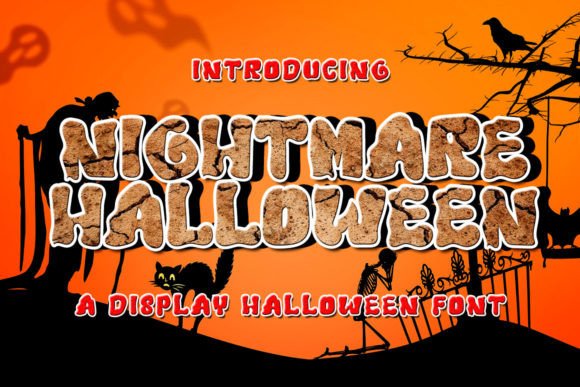
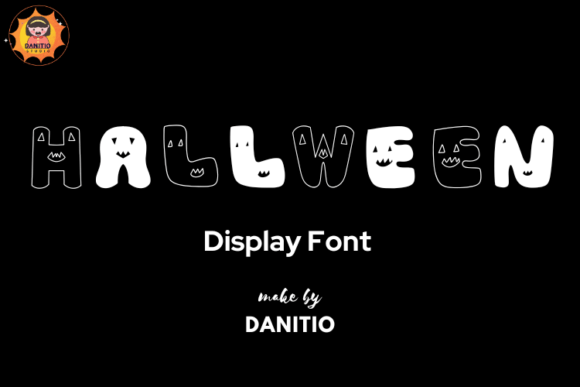
At its core, the Hallween Font is categorized as a groovy and spooky display font. This classification places it in a unique intersection of typography trends. It borrows heavily from the psychedelic typography of the late 1960s and 1970s—often characterized by thick, rounded, and fluid letterforms—while infusing those shapes with the sharp, jagged edges or eerie motifs associated with horror and Halloween themes.
What makes this font distinct is its ability to be simultaneously whimsical and dark. Unlike traditional horror fonts, which often rely on scratchy textures or dripping blood effects to convey fear, Hallween Font uses volume and movement. The letters often appear to be melting or vibrating, creating a sense of energy. This makes it an excellent choice for projects that need to grab attention without appearing overly serious or genuinely terrifying. It appeals to a sense of nostalgia and youthful courage, making it ideal for audiences ranging from children to young adults who appreciate retro-cool design.
Comparing Display Fonts: Hallween vs. Traditional Horror Typography
When evaluating font options, it is helpful to compare the Hallween Font against broader categories of display typefaces. Understanding these differences helps in making an informed decision about whether this specific style fits the project's requirements.
The "Groovy" Factor
Most traditional Halloween or horror fonts focus on atmosphere through texture. They might look like they were written in blood, carved into wood, or scratched onto a wall. These are effective for serious horror movie posters or haunted house flyers where the goal is genuine dread.
Hallween Font, conversely, focuses on legibility and shape. The "groovy" aspect implies smooth curves and bold outlines. If your project requires a vibe that is more "Monster Mash" than "The Exorcist," Hallween Font is the superior choice. It retains the holiday spirit but removes the grimness, replacing it with fun.
Impact and Attention-Grabbing Qualities
Because it is a display font, Hallween Font is designed for impact, not for reading long paragraphs. It commands the center of a layout. Compared to sans-serif fonts or even standard serif fonts, display fonts like Hallween have a much higher "visual weight." They are engineered to be instantly recognizable. For a user scrolling through a social media feed, a title set in Hallween Font stands out because of its irregular, eye-catching silhouette.
Practical Applications and Use Cases
The versatility of the Hallween Font lies in its application across various media. Its structural boldness ensures that it remains legible even when applied to physical merchandise or digital interfaces with complex backgrounds.
Merchandise and Physical Products
One of the strongest use cases for Hallween Font is in the realm of physical goods. The font’s thick lines and high contrast make it ideal for printing techniques such as screen printing or heat transfer vinyl.
- Apparel: It works exceptionally well on t-shirts, hats, and bags. The design holds up well against the texture of fabric. For youth-oriented clothing lines, the font provides that "courageous" and energetic look that appeals to a younger demographic.
- Drinkware and Accessories: When printing on mugs or stickers, legibility is paramount. The distinct shapes of the Hallween letters ensure that the message is readable from a distance, which is a common failure point for more intricate, scratchy horror fonts.
Media and Layouts
In the digital and print media space, the font shines in contexts where layout and visual hierarchy are key.
- Comic Books and Gaming: The style of Hallween Font mimics the onomatopoeia seen in comic book layouts (think "POW" or "BOOM"). It brings that same explosive energy to comic book titles or online game interfaces. It suggests action and adventure.
- Posters and Titles: For movie titles or event posters, the font provides a cinematic quality. It is particularly effective for comedy-horror genres or children's Halloween events where the atmosphere should be festive rather than frightening.
Evaluating Tradeoffs: When to Choose an Alternative
While the Hallween Font is a strong contender for many projects, it is not a universal solution. Recognizing its limitations is just as important as understanding its strengths.
The Formality Constraint
The primary tradeoff with Hallween Font is its inherent informality. The "groovy" style is playful and casual. If you are designing a corporate newsletter, a legal document, or a luxury brand brochure, this font is entirely inappropriate. Its whimsical nature would undermine the credibility of the content. In such scenarios, a neutral sans-serif or a classic serif font would be the necessary choice to convey professionalism and trust.
Text Density and Readability
Display fonts are generally poor choices for body text. The very features that make Hallween Font eye-catching—its thick strokes, unusual spacing, and decorative edges—make it tiring to read in long blocks. For any project requiring more than a headline or a short tagline, you must pair Hallween Font with a highly legible body font. A clean sans-serif usually pairs best, allowing the headlines to pop while the body text remains easy on the eyes.
Seasonal vs. Evergreen
Because the font leans heavily into the "spooky" aesthetic, it can feel out of place outside of the autumn season or specific horror-themed contexts. If you are looking for a font that can be used year-round for a general brand identity, a standard bold display font without the Halloween motifs might offer better longevity. However, if the brand is specifically tied to the holiday or the horror genre, Hallween Font becomes an evergreen asset.
Decision Factors for Designers
When deciding whether to integrate Hallween Font into your toolkit, consider the following factors to ensure it aligns with your project goals:
- Target Audience Age: Does your audience appreciate retro aesthetics? The font appeals strongly to the 20–50 demographic that grew up with comic books and retro cartoons, as well as younger audiences who enjoy stylized media.
- Medium of Delivery: Will the text be viewed on small mobile screens or large posters? Hallween Font works best at larger sizes where its details can be appreciated. On very small screens, the intricate edges might blur or become muddy.
- Brand Voice: Is the voice of the project "courageous" and "youthful"? If the goal is to convey wisdom, calm, or severe danger, look elsewhere. If the goal is energy, fun, and spooky vibes, this is the right tool.
- Compatibility: Ensure the font file format (TTF, OTF, WOFF, etc.) is compatible with your design software or web platform. Most modern display fonts are versatile, but checking licensing for commercial use (especially for merchandise like shirts and mugs) is a critical step in the decision-making process.
Conclusion
The Hallween Font is more than just a seasonal novelty; it is a specific tool for a specific job. It bridges the gap between the spooky and the stylish, offering a unique solution for designers who need to grab attention instantly. By understanding its "groovy" characteristics, comparing it against more traditional horror options, and evaluating its fit for your specific medium—be it a social media post or a printed poster—you can make a calculated decision. It is a font that demands courage and youth, and when used correctly, it delivers a visual punch that standard typography simply cannot match.