Kolonjono Font: A Fresh Approach to Playful Typography
The Visual Personality of a Modern Handwritten Font
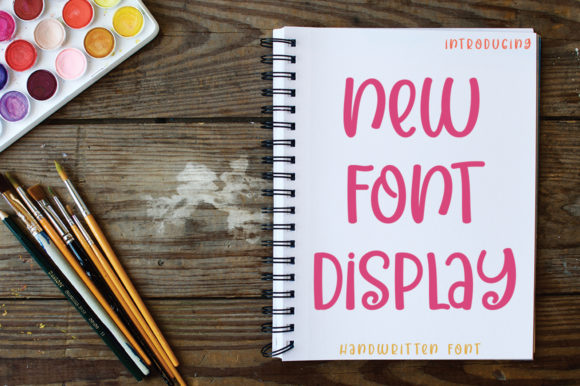
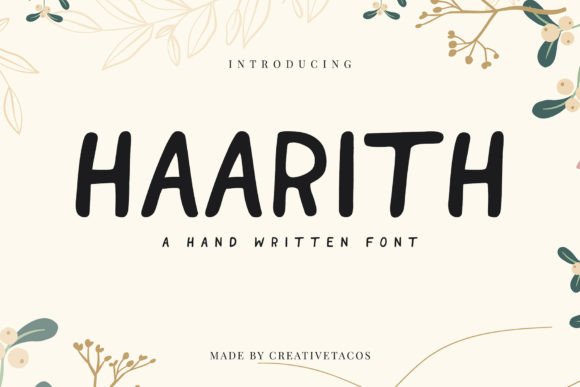
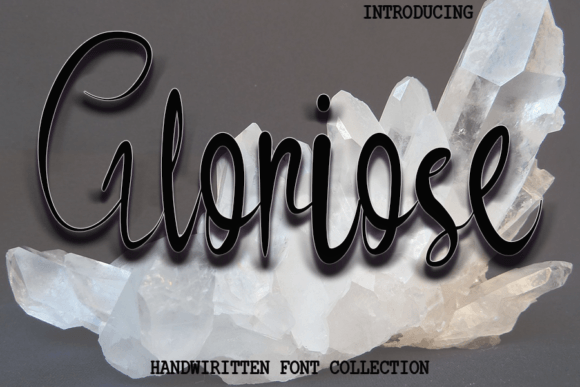
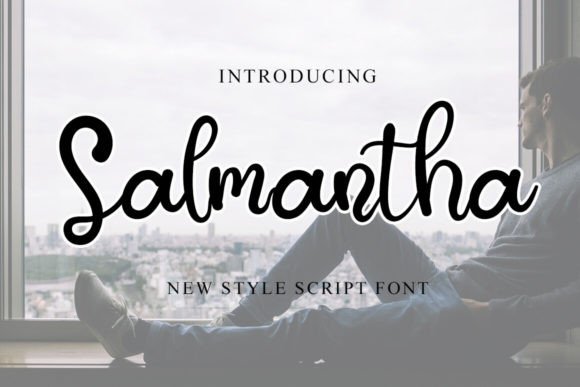
Finding a typeface that feels genuinely fresh—something that balances personality with versatility—is a common challenge for creative professionals. The Kolonjono Font, often recognized by its "Happy" variant, addresses this need directly. It is a playful and modern handwritten font that manages to feel both spontaneous and carefully crafted. Visually, it features fluid, connected letterforms with a natural rhythm, avoiding the overly polished or artificial look that can make some script fonts feel dated. The strokes have a confident, slightly varied weight that mimics the effect of a real pen or brush, giving it an authentic, human touch. This isn't a font that tries to replicate historical calligraphy; it’s built for contemporary contexts, with a clean, upbeat energy that can instantly soften a design or inject a dose of approachable creativity.
What sets this creative font apart is its readability. Unlike some highly decorative handwritten fonts that sacrifice legibility for style, Kolonjono maintains clear letterforms even at smaller sizes. The x-height is generous, and the spacing between characters is thoughtfully calibrated. This makes it surprisingly functional for more than just headlines. It’s a typeface that can carry a short paragraph or serve as a standout element in a logo design without becoming illegible. The overall appeal lies in its optimistic, energetic character—it feels friendly, modern, and full of potential, making it a valuable asset for designers, entrepreneurs, and content creators looking to break away from rigid, corporate typography.
Where Kolonjono Font Truly Shines
The practical applications for a font like Kolonjono are extensive, precisely because its personality is adaptable. For brand identity work, it’s an excellent choice for businesses that want to project a welcoming, innovative, or youthful image. Think of a boutique coffee shop, a creative agency, a children's book author, or a lifestyle blogger—the font immediately communicates a specific, positive vibe. In logo design, it can serve as the primary logotype or as a complementary element paired with a clean sans serif font. Its handwritten nature makes logos feel personal and unique, which is crucial for standing out in crowded markets.
Beyond logos, this premium font excels in social media graphics. Platforms like Instagram and Pinterest thrive on visual personality, and Kolonjono’s expressive style can make quotes, announcements, and promotional posts far more engaging. It’s equally effective in editorial design—imagine it on the cover of a cookbook, a magazine feature spread, or a chapter opener. For packaging design, it can add a handcrafted, artisanal quality that resonates with consumers. Digital applications are just as strong; it works beautifully for web headers, call-to-action buttons, or email newsletter accents. Even for personal projects like wedding invitations, greeting cards, or custom artwork, its charm is undeniable.
Integrating Kolonjono into Your Design Workflow
Adopting any new design asset requires a practical evaluation. When considering Kolonjono for a project, start by assessing the tone. Does your project need to feel energetic, personal, and modern? If the answer is yes, it’s a strong candidate. However, for projects requiring extreme formality or a traditional, authoritative voice, a serif font or a more subdued sans serif might be more appropriate. The key is to match the font’s personality to the message you need to convey.
A critical step is testing font pairing. Because Kolonjono is a display font with a strong character, it pairs best with simpler, neutral typefaces. A classic, geometric sans serif like Futura, Helvetica, or Open Sans creates a clean, modern contrast that allows the handwritten font to stand out without overwhelming the design. Avoid pairing it with other highly decorative or script fonts, as this can create visual clutter and reduce readability. Always test your pairings in context—see how they look in a paragraph, on a mockup of a business card, or in a social media post template.
Finally, consider the technical and licensing aspects. Review the included styles and weights. Kolonjono often comes with alternates, ligatures, or swashes that can add variety to your text. For any commercial project, ensure you have the correct commercial font license. Using a font without the proper license can lead to legal issues and undermine the professionalism of your work. Most reputable font foundries offer clear licensing options for different use cases, from personal projects to large-scale commercial deployments. By taking these practical steps, you can confidently integrate this modern typography asset into your toolkit, using it to create designs that are not only beautiful but also strategically effective and legally sound.