The Handmade Charm of Haarith Font: A Designer's Guide to Contemporary Typography
In the vast and ever-expanding universe of digital typography, finding a font that balances technical precision with genuine human warmth can be a challenge. Many typefaces aim for perfection, stripping away the slight imperfections that give text a soul. However, the Haarith Font stands out by embracing a different philosophy. It is a brilliant, eye-catching typeface that captures the essence of handcrafted design, offering a contemporary feel that is both unique and highly functional for future projects. Whether you are a seasoned graphic designer, a business owner branding a new product, or a hobbyist looking to elevate a personal project, understanding the nuances of Haarith can significantly impact your visual communication.
Understanding the Anatomy of Haarith Handmade Font
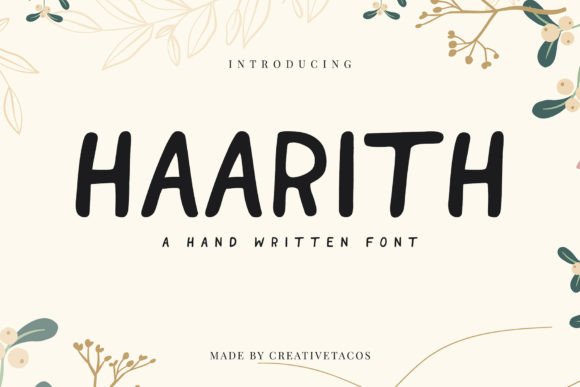
At its core, the Haarith Handmade Font is defined by its aesthetic versatility. It is not merely a collection of letters; it is a design system built to convey personality. The font features a complete set of uppercase and lowercase letters, ensuring that you have the full range of typographic hierarchy at your disposal. This is crucial for creating readable body text as well as impactful headlines.
Beyond the alphabet, Haarith includes a comprehensive array of numbers and punctuation. This is a vital detail that is often overlooked in decorative fonts. Many handmade typefaces skimp on the numerical glyphs, leaving designers scrambling for a matching font when creating price tags, dates, or data-heavy designs. With Haarith, the integration is seamless. Furthermore, the inclusion of various symbols expands its utility, allowing for complex design work without breaking the visual flow.
One of the most significant technical advantages of this typeface is its support for multilingualism. In a globalized market, a font that only supports English is limiting. Haarith breaks down these barriers, allowing creators to maintain brand consistency across different languages and regions. This feature makes it an excellent choice for international packaging and digital media that targets a diverse audience.
The Psychology of Handmade Aesthetics
Why do fonts like Haarith resonate so deeply with audiences? The answer lies in psychology. In an era dominated by sterile, geometric sans-serifs and rigid corporate typefaces, the human eye is naturally drawn to textures that suggest a human touch. The Haarith Font mimics the irregularities of hand lettering, which triggers associations of authenticity, care, and creativity.
When a consumer sees a logo or packaging set in a handmade font, they subconsciously perceive the brand as more approachable and genuine. This is particularly effective in industries where trust and artisanal quality are selling points, such as organic foods, boutique clothing, or independent craft goods. However, because Haarith possesses a "cute and contemporary" feel, it avoids looking messy or unprofessional. It strikes a delicate balance: it looks hand-drawn, but it is clean enough to be legible in modern web layouts.
Key Visual Characteristics
- Contemporary Feel: Unlike vintage brush scripts that can feel dated, Haarith utilizes modern curves and spacing that feel relevant to current design trends.
- Eye-Catching Nature: The distinct letterforms ensure that text set in Haarith stands out, making it ideal for headlines and advertising where grabbing attention is the primary goal.
- Cute Appeal: The softness of the characters lends a friendly, inviting tone to the design, which is excellent for educational materials or products targeting a younger demographic.
Practical Applications: Where Haarith Shines
The versatility of the Haarith Handmade Font makes it applicable to a wide range of creative fields. Its utility is not confined to one niche; rather, it adapts to the context in which it is placed.
Branding and Logo Design
A logo is the face of a brand, and typography plays a central role in that identity. Haarith is excellent for logos that need to communicate personality rather than corporate stiffness. For a coffee shop, a bakery, or a creative agency, using Haarith can immediately set the tone. It tells the customer that the brand values creativity and individuality. The uppercase letters provide a strong foundation for wordmarks, while the lowercase letters offer a softer, more conversational vibe for taglines.
Packaging Design
Packaging is often the first physical interaction a customer has with a product. In a crowded retail environment or on a busy e-commerce page, packaging must pop. Haarith’s eye-catching nature ensures that product names and descriptions are noticed. It works beautifully on labels for jars, boxes, and bags. For instance, a "Strawberry Jam" label set in Haarith looks homemade and delicious, whereas a standard serif font might look generic. The font supports the narrative of the product inside.
Digital Media and Web Layouts
While many decorative fonts fail on screens, Haarith is designed with digital readability in mind. It is perfect for web layouts, specifically for hero sections, call-to-action buttons, and blog post titles. When used for headlines on a website, it draws the reader's eye down the page, encouraging them to engage with the content. It is also highly effective for social media graphics. In the fast-scrolling environment of Instagram or Pinterest, the unique style of Haarith can stop a user mid-scroll.
Invitations and Stationery
For events that require a personal touch—weddings, birthdays, or creative workshops—Haarith offers the elegance of calligraphy with the consistency of a digital font. It creates invitations that feel bespoke and special. The multilingual support is particularly useful here for bilingual invitations, ensuring that both languages look stylistically unified.
Integrating Haarith into Professional Workflows
For professionals, adopting a new font involves more than just liking the design; it requires integration into a workflow. The Haarith Font is built to be user-friendly.
Compatibility and Versatility
The font is designed to work across various software environments, whether you are working in Adobe Illustrator, Photoshop, or web-based design tools. The inclusion of punctuation and symbols means you won't have to constantly switch fonts to find a missing glyph. This streamlines the design process, saving valuable time during the production phase.
Pairing Strategies
To maximize the effectiveness of Haarith, it is often best paired with a neutral, clean sans-serif font for body text. Because Haarith has a strong personality, using it for long paragraphs can be tiring on the eyes. Instead, use Haarith for the "shout"—the headlines, the titles, the key messages—and pair it with a font like Roboto, Open Sans, or Lato for the "whisper"—the descriptions, the details, the fine print. This contrast creates a dynamic visual hierarchy that guides the reader through the content naturally.
Target Audience and Use Cases
The utility of Haarith extends to a broad spectrum of users. It is not limited to professional designers.
- Business Owners: Small business owners looking to create their own marketing materials can use Haarith to achieve a professional look without the high cost of custom lettering. It gives DIY designs a polished, artisanal quality.
- Educators and Researchers: Creating engaging educational materials requires fonts that capture attention. Haarith can be used for presentation headers and posters to make learning materials more inviting and less intimidating for students.
- Hobbyists: For those creating scrapbooks, digital planners, or personal blogs, Haarith adds a layer of personality that standard system fonts lack.
Design Considerations and Best Practices
While Haarith is a powerful tool, like any design asset, it requires thoughtful application. Here are some considerations to keep in mind:
Size and Scalability
Because Haarith features detailed, handmade characteristics, it generally performs best at medium to large sizes. At very small sizes (like 8px or 9px body text), the nuances of the letterforms may become lost, reducing legibility. Always test the font at the intended size before finalizing a design.
Color and Contrast
The contemporary feel of Haarith pairs well with vibrant color palettes. However, ensure there is sufficient contrast between the text and the background. The irregular edges of handmade fonts can sometimes blend into busy backgrounds, so placing Haarith text over solid colors or clean images is usually the most effective approach.
Spacing and Kerning
Handmade fonts often have specific kerning (space between letters) that mimics natural handwriting. While this adds to the charm, you may occasionally need to adjust the tracking (overall spacing) depending on the application. For wide banner ads, increasing the tracking slightly can improve readability. For tight logo designs, you might need to manually kern specific letter pairs to ensure visual balance.
The Role of Typography in Modern Trends
We are currently seeing a significant shift in design trends away from the "perfect" corporate look and toward more organic, human-centric aesthetics. This is driven by a desire for authenticity in a digital world. The Haarith Handmade Font fits perfectly into this trend. It represents a move toward design that feels lived-in and real.
In web design, for example, the use of handwritten or handmade fonts helps to break the grid. It introduces an element of surprise and delight that structured sans-serifs cannot achieve. In advertising, it cuts through the noise of generic messaging, offering a voice that sounds like a friend rather than a corporation.
Conclusion
The Haarith Handmade Font is more than just a collection of vectors; it is a bridge between the precision of digital design and the warmth of human creation. Its comprehensive character set, multilingual support, and versatile aesthetic make it an invaluable asset for a wide range of projects. From branding and packaging to web design and invitations, Haarith provides the tools necessary to create designs that are not only visually stunning but also emotionally resonant. By understanding its characteristics and applying it thoughtfully, creators can elevate their work, ensuring it stands out in a crowded visual landscape.