Monogram Font Family: An Evaluation of Ornate Typography for Design Projects
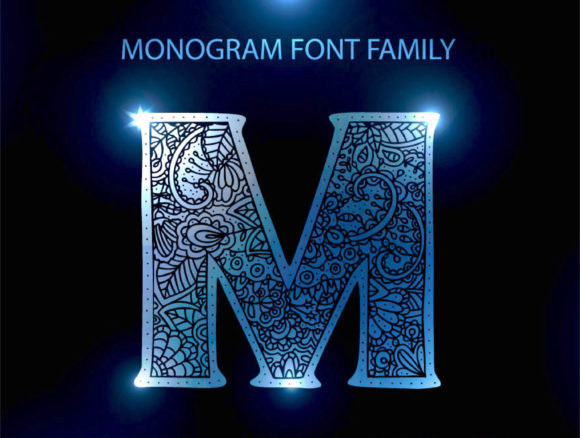
The Monogram Font Family represents a distinct category within typography, characterized by its collection of five highly detailed and elegant typefaces. This family is defined by its intricate letterforms, where each character functions as a standalone artistic element. The design philosophy prioritizes ornamental complexity over minimalist readability, creating a visual language intended for projects demanding a unique, decorative, and luxurious aesthetic.
Understanding the Core Design
At its foundation, the Monogram Font Family is an artistic display typeface. Each of the five fonts offers a different stylistic interpretation of ornate detail, featuring flourishes, interlocking shapes, and elaborate serifs. The letters are crafted to be visually self-sufficient, meaning a single character can serve as a focal point in a layout. This design approach makes the family less about setting long passages of text and more about creating impactful visual statements in headlines, logos, and branding elements.
Who Considers the Monogram Font Family?
Interest in this font family typically comes from designers, artists, and brand strategists working on specific types of projects. Individuals or teams evaluating it are often seeking to convey a sense of tradition, heritage, luxury, or bespoke craftsmanship. The decision to explore this family usually stems from a need to differentiate a project from contemporary, clean-lined design trends and to inject a strong personality or historical reference into the visual identity.
Benefits and Practical Advantages
The primary benefit of the Monogram Font Family is its unparalleled decorative impact. The intricate detailing of each letter can elevate a design, adding depth and visual interest that simpler fonts cannot achieve. For projects like wedding stationery, boutique branding, luxury product packaging, or event invitations, these fonts provide an immediate sense of elegance and custom artistry. The availability of five related but distinct styles within the family offers designers flexibility to create hierarchy and variation while maintaining a cohesive ornamental theme.
Key Advantages:
- Visual Distinction: Creates immediate visual impact and memorability.
- Artistic Detail: Each letterform is a detailed art piece, reducing the need for additional graphic elements.
- Thematic Cohesion: The five-font family allows for coordinated yet varied typographic expression.
- Niche Appeal: Perfectly suited for projects where a traditional, ornate, or luxurious tone is paramount.
Tradeoffs and Important Considerations
While the Monogram Font Family excels in decorative contexts, its use comes with significant tradeoffs. The most critical consideration is legibility, especially at small sizes or in body text. The intricate details can blur together, making words difficult to read quickly. This limits its utility primarily to display sizes—headlines, logos, and large titles. Furthermore, the strong stylistic presence of the fonts means they can easily overwhelm a design if not balanced with ample white space and complementary, simpler typefaces for supporting text.
Key Considerations:
- Readability Limits: Not suitable for long-form text, small captions, or interfaces requiring quick scanning.
- Design Complexity: Requires careful pairing with neutral fonts (like sans-serifs) to avoid visual clutter.
- Niche Application: Its ornate nature makes it a poor fit for modern, minimalist, or utilitarian design projects.
- File and Rendering: Highly detailed vector paths may increase file size and could present rendering challenges on very low-resolution screens.
When is the Monogram Font Family a Strong Fit?
This font family is a strong candidate for projects where the primary goal is visual storytelling and emotional resonance through typography. It aligns well with goals that prioritize uniqueness and artistic expression over universal legibility. Specific situations include:
- Logo and Monogram Design: Creating distinctive, intricate logos for brands in the luxury, fashion, or artisanal sectors.
- High-End Print Collateral: Designing wedding invitations, award certificates, or premium business cards where tactile and visual luxury are key.
- Editorial Headers: Using for magazine or book chapter titles to establish a classic, elegant tone.
- Thematic Branding: Developing visual identities for heritage brands, boutique hotels, or specialty products that wish to evoke history and craftsmanship.
When to Consider Alternatives
If the project's core requirements include clarity, scalability across digital interfaces, or a modern aesthetic, other typefaces will be more effective. Alternatives worth exploring include:
- Modern Serif Fonts: For a touch of elegance without extreme ornamentation, consider fonts like Playfair Display or Cormorant Garamond.
- Geometric Sans-Serifs: For clean, contemporary, and highly legible designs, families like Montserrat or Raleway are superior choices.
- Variable Fonts: For projects requiring a wide range of weights and styles within a single, efficient font file, exploring modern variable font families is advisable.
- Custom Typography: For a truly unique ornate style, commissioning a custom typeface or lettering may be more appropriate than using a pre-designed family.
Making a Practical Decision
To determine if the Monogram Font Family aligns with your goals, conduct a focused evaluation. First, audit your project's typographic needs. Does the design brief explicitly call for a decorative, historical, or luxurious feel? Second, test the font at the intended size and in the intended medium. View a sample headline on screen and, if possible, in a printed proof to assess real-world legibility and impact. Finally, consider the full typographic system. Can you identify a complementary body font that will handle the readable text without conflicting stylistically?
The Monogram Font Family is a specialized tool. It is not a universal solution but an exceptional choice for the right context. Its value lies in its ability to impart a specific, ornate character that few other typefaces can match. By carefully weighing its artistic strengths against its functional limitations, designers can make an informed decision about whether this family is the right instrument to achieve their project's unique vision.