Otsudaki Font: A Practical Guide to Its Signature Style and Application
When selecting a typeface for a project that demands personality and a human touch, the options can be overwhelming. Among the myriad of script and handwritten fonts, the Otsudaki font presents a specific aesthetic characterized by its handmade signature style. This article provides a balanced look at what defines Otsudaki, where it fits best, and what tradeoffs to consider when evaluating it against other typographic choices.
Understanding the Core Aesthetic of Otsudaki
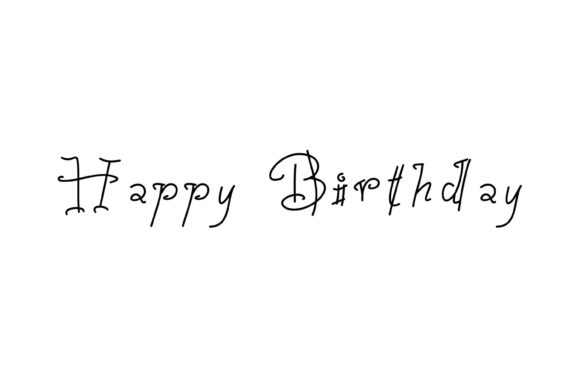
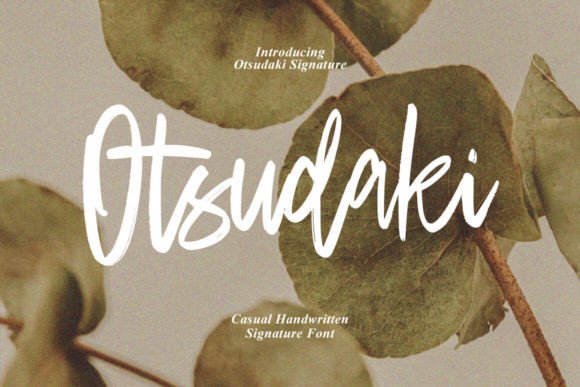
Otsudaki is not a standard script font. It is described as a handmade signature style font, meaning it aims to emulate the fluid, slightly irregular quality of natural handwriting. Its most distinctive features are its decorative characters and a dancing baseline. The baseline is the invisible line upon which letters sit; in Otsudaki, this line is intentionally uneven, creating a dynamic, lively rhythm that mimics the way text might look when written by hand on a piece of paper.
This design choice moves it away from the precision of geometric sans-serifs or the formality of traditional calligraphic scripts. Instead, it occupies a space meant to feel personal, approachable, and artful. The decorative swashes and alternate letterforms add another layer of uniqueness, allowing for customization in headlines or logos to prevent a repetitive look.
Primary Use Cases: Where Otsudaki Shines
The effectiveness of a font is largely determined by its context. Otsudaki’s particular strengths align well with projects where emotional resonance and a crafted feel are priorities. Based on its design attributes, it is particularly suited for:
- Invitation Design: For wedding invitations, event announcements, or greeting cards, the personal, handwritten quality of Otsudaki can evoke warmth and intimacy that a more sterile font might lack.
- Branding for Artisanal or Boutique Businesses: Businesses that want to convey craftsmanship, authenticity, or a personal touch—such as bakeries, boutique studios, or independent consultants—may find Otsudaki aligns with their brand voice.
- Print and Digital Media with a Personal Angle: This includes quotes for social media graphics, poster headlines for events, or section headers in a magazine that require a touch of elegance without being overly formal.
In these scenarios, the dancing baseline of Otsudaki contributes to a feeling of movement and spontaneity, which can make a design feel more alive and less static.
Evaluating Tradeoffs: Practical Considerations
No typeface is universally perfect. Choosing Otsudaki involves understanding its limitations and comparing it to broader font categories.
Readability vs. Personality
The very features that give Otsudaki its charm—the irregular baseline, decorative swashes, and handwritten forms—can impact readability, especially at small sizes or in long blocks of text. For body copy in a report, book, or website, a clean, highly legible sans-serif or serif font is almost always a better choice. Otsudaki is best reserved for short, impactful text like headlines, subheadings, logos, or pull quotes where its style can be appreciated without hindering comprehension.
Formality and Audience Perception
While Otsudaki feels personal, it may not be appropriate for contexts requiring strict professionalism or authority. A corporate financial report, a legal document, or an academic thesis would typically call for more conventional, neutral typefaces. The font’s playful, artistic nature could undermine the seriousness of such content. It’s a font that suggests creativity and approachability, not corporate stability.
Comparing to Similar Font Categories
When researching options, you will encounter other font styles that serve similar purposes. Understanding the differences is key.
- Formal Script Fonts: These are based on traditional calligraphy with consistent, flowing connections and even baselines. They convey elegance and formality, often used for luxury branding or high-end invitations. Compared to these, Otsudaki is less formal and more relaxed.
- Brush Script Fonts: These mimic the look of text written with a brush pen, often featuring thick and thin strokes and a textured appearance. They can feel energetic or artistic. Otsudaki is generally smoother and more focused on the signature flow than on brush texture.
- Other Handwritten Fonts: This is a broad category. Some handwritten fonts are very casual and childlike, while others are neat and modern. Otsudaki sits on the more polished, decorative end of this spectrum, aiming for a signature-like elegance rather than a casual note.
The decision often comes down to the specific emotional tone you need to strike. A formal script might say "black-tie event," while Otsudaki might say "elegant garden party."
Making an Informed Decision: Is Otsudaki Right for Your Project?
Consider these guiding questions when evaluating Otsudaki for your work:
- What is the primary goal of the text? If it is to convey information clearly and efficiently, look elsewhere. If it is to capture attention, evoke a feeling, or add artistic flair, it may be a contender.
- Who is the audience? Does your audience appreciate creative, personalized design? Or do they expect conventional, easy-to-scan typography?
- How will it be used technically? Will it be used for a large headline on a poster, or for small text on a business card? Test it at the intended size. The decorative details of Otsudaki may become muddled when very small.
- Does it pair well with other fonts? A strong design often uses a combination of fonts. Otsudaki, as a display font, would need to be paired with a highly legible font for any accompanying body text. Ensure the styles complement rather than clash.
Ultimately, the Otsudaki font is a specialized tool in a designer's toolkit. It is not a workhorse for everyday text but a choice for specific moments where its unique signature style, decorative character, and dancing baseline can add significant value. By weighing its strengths in personalization and aesthetic appeal against its potential drawbacks in readability and formality, you can make a strategic choice that enhances your project's message and visual impact. Researching previews and testing it in your specific context are essential final steps before committing.