Powerboat CPC Font: Evaluating a Retrofuturism Typeface for High-Velocity Design
In the realm of digital typography, the selection of a typeface is a critical decision that dictates not only readability but also the emotional resonance of the project. For designers working on themes involving speed, automotive culture, or speculative futures, the Powerboat CPC Font presents a distinct option. This typeface draws inspiration from the sleek, aerodynamic profiles of high-performance hydroplanes and cigarette boats, channeling that kinetic energy into a digital format. However, understanding its specific aesthetic—particularly its blend of retrofuturism and whimsy—is essential for evaluating whether it suits a professional brief.
Analyzing the Visual Language
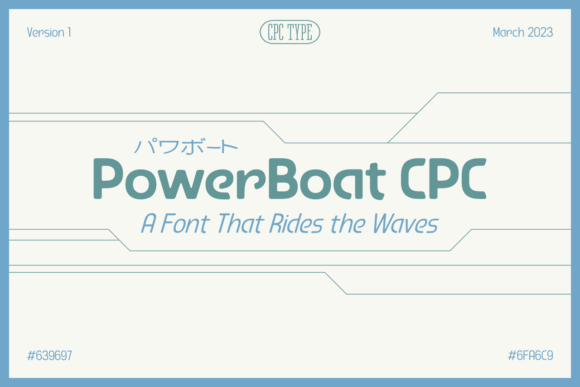
The primary characteristic of Powerboat CPC is its visual velocity. The letterforms often feature forward-leaning italics, sharp angles, and streamlined shapes that suggest motion even when static. It captures the essence of a design philosophy that looks toward the future as imagined by the past, specifically drawing from mid-century aesthetics where chrome, fins, and speed were the ultimate symbols of progress.
However, unlike strictly utilitarian or militaristic sans-serifs, this font introduces a "whimsical" quality. This manifests in slightly softened edges or exaggerated curves that prevent the typeface from feeling too aggressive or clinical. The result is a font that feels energetic and optimistic rather than intimidating. It does not just represent speed; it represents the thrill of speed.
Strategic Applications and Use Cases
When evaluating a typeface for a specific project, context is paramount. Powerboat CPC is not a universal solution for body text or corporate documentation. Its strong personality makes it a specialized tool. It is most effective in scenarios where the goal is to immediately communicate a specific vibe—usually one associated with entertainment, leisure, or high-energy activities.
Consider the following contexts where this font aligns well with design goals:
- Event Branding: For marine festivals, boat shows, or retro-themed parties, the font provides an authentic stylistic anchor.
- Editorial Headlines: In magazines or blogs covering automotive history, sci-fi culture, or vintage aesthetics, it serves as an engaging display type.
- Game Design: For video games involving racing, arcade mechanics, or futuristic settings, Powerboat CPC can enhance the user interface and immersion.
- Merchandise: Apparel or posters that aim for a "vintage cool" look benefit from its distinct personality.
Benefits of the Retrofuturism Style
The primary benefit of choosing a font like Powerboat CPC is its ability to evoke a specific era without feeling dated in a negative way. Retrofuturism is a popular trend because it combines the nostalgia of the past with the curiosity of the future. This font allows designers to tap into that sentiment easily.
Furthermore, the "whimsical" aspect noted in its design helps in creating a friendly user experience. While some speed-oriented fonts can be harsh or difficult to read at smaller sizes due to extreme stylization, the balanced approach of Powerboat CPC aims to maintain legibility while preserving style. It offers a way to make a design feel dynamic and "cooking" with energy, suggesting movement and progress.
Tradeoffs and Considerations
While the stylistic advantages are clear, objective evaluation requires a look at the tradeoffs. The most significant limitation of highly stylized fonts like Powerboat CPC is versatility.
Readability vs. Style: Because the letters are designed to mimic the aerodynamics of a boat hull, they can sometimes be harder to parse in long sentences. It is generally unsuitable for technical manuals, legal text, or any content where clarity is the absolute priority over aesthetic.
Niche Association: The retrofuturism style carries strong cultural associations. If the project requires a neutral, modern, or minimalist tone (common in corporate tech or finance), Powerboat CPC may feel out of place or clash with other design elements.
Pairing Difficulties: Finding a secondary font to pair with Powerboat CPC can be challenging. A design requires a balance of tension and harmony. Pairing it with another highly decorative font may result in visual chaos, while pairing it with a very standard sans-serif might make the body text look bland compared to the headers. Careful selection of a neutral, legible partner font is required.
Comparing Alternatives
In the decision-making process, it is helpful to compare Powerboat CPC against other categories of typefaces to ensure the right fit.
- Standard Sans-Serifs (e.g., Helvetica, Roboto): These are safer choices for general readability and modern aesthetics. If the project is about "clean" speed or professional efficiency, a standard sans-serif is likely superior.
- Geometric Futurism: Fonts that rely on perfect circles and rigid geometry offer a "tech" feel. Powerboat CPC offers an "organic" feel. If the future being depicted is cold and digital, geometric fonts work better. If the future is warm and mechanical, Powerboat CPC is the better fit.
- Script Fonts: For conveying pure luxury or elegance (like a Riva yacht), a script font might be more appropriate than the bold, blocky nature of a powerboat-inspired display font.
Practical Decision-Making Insights
To determine if Powerboat CPC aligns with your goals, ask yourself three questions:
- Is the tone nostalgic yet energetic? If the project needs to feel like it is "going 48 knots into the future," this font captures that specific kinetic energy.
- Is the application for display use only? This font is best used for headlines, logos, or short bursts of text. It should not be the primary font for reading paragraphs.
- Does the brand personality allow for whimsy? The slight playfulness of the font makes it approachable. If the brand is strictly serious or somber, this font may undermine that seriousness.
Conclusion
The Powerboat CPC Font is a specialized tool designed for projects that require a blend of high-speed aesthetics and approachable retro styling. It excels in creating an atmosphere of excitement and nostalgia, making it a strong candidate for entertainment, automotive, and creative branding. However, its distinct personality requires careful implementation to avoid readability issues or tonal mismatches. By weighing its energetic benefits against its niche limitations, designers can make an informed choice on whether this typeface will propel their project forward.