Thrive Font: Merging Minimalist Logo Style with Modern Design
A Typeface Rooted in Brand Identity
If you have ever studied the anatomy of a famous minimalist logo, you understand the power of negative space and geometric precision. This is exactly where Thrive Font draws its inspiration. It captures that specific, high-end aesthetic often reserved for luxury branding and architectural design, yet it remains accessible enough for a wide range of creative applications. It is not just a collection of letters; it is a design asset built to convey structure and stability. For designers and entrepreneurs, this font offers a shortcut to that polished, corporate-clean look without feeling sterile or generic.
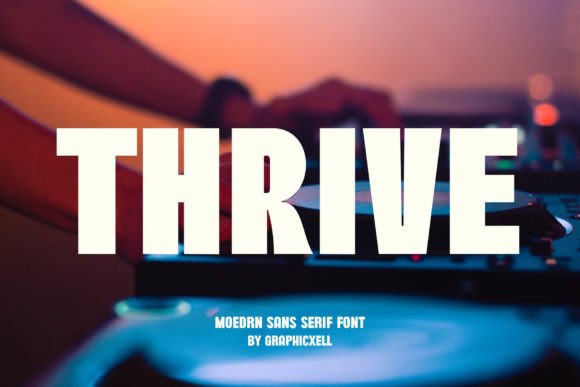
The visual characteristics of Thrive Font lean heavily into the realm of modern typography. You will notice the distinct lack of unnecessary ornamentation. The strokes are confident, and the letterforms are balanced. It functions beautifully as a display font, commanding attention in headlines, but it also possesses the clarity needed for shorter blocks of text. Whether you are working on a logo design for a new tech startup or a layout for a high-fashion lookbook, the typeface adapts to the mood of the content. It bridges the gap between a rigid sans serif font and a stylized serif font, offering a unique personality that feels both authoritative and approachable.
Strategic Applications for Creative Professionals
Understanding where to deploy a premium font like this is key to getting a return on your investment. Because Thrive Font is inspired by iconic branding, it naturally excels in projects where brand perception is the priority.
- Branding and Identity: Use it for brand identity packages, specifically for industries like architecture, interior design, luxury goods, and wellness. It helps build a professional image that suggests the company knows what it is doing.
- Editorial and Publishing: In editorial design, such as magazine headers or blog graphics, the font creates a strong visual hierarchy. It draws the reader’s eye immediately, which is crucial for audience engagement in a crowded digital space.
- Packaging and Print: For packaging design, the font’s clean lines ensure that product names stand out on the shelf. It works exceptionally well on brochures, business cards, and invitations where elegance is required.
- Digital and Social Media: Do not overlook web design and social media graphics. A font like this can elevate a standard Instagram grid or a website hero section, making the content feel curated and intentional.
When you choose Thrive Font, you are choosing a tool that helps maintain consistency across different mediums. A logo created with this typeface will look just as good on a mobile screen as it does on a billboard. This consistency is vital for building recognition and trust with your audience.
Mastering Readability and Visual Hierarchy
A common pitfall in modern typography is prioritizing style over substance. A font might look beautiful in a poster mockup but become illegible when used for body copy. Thrive Font navigates this challenge well. Its construction prioritizes readability, ensuring that your message is communicated clearly, regardless of the medium.
When working with this typeface, pay attention to kerning and tracking. Because the letters are geometrically inspired, slight adjustments to spacing can significantly impact the flow of the text. For advertising branding and layout designs, tighter tracking often works well for headlines to create a solid, unified block of text. However, for longer descriptions or web copy, loosening the tracking slightly improves legibility and reduces eye strain for the reader.
Furthermore, consider the font pairing. Thrive Font has a strong personality, so it pairs best with something more neutral. Try combining it with a simple, clean sans-serif for body text to let the headlines shine. Alternatively, pairing it with a subtle script font or handwritten font can create a beautiful contrast for invitations or feminine beauty designs. The goal is to create a hierarchy where the viewer understands what to read first, second, and third without feeling overwhelmed.
Practical Tips for Integration and Licensing
Before integrating any commercial font into a client project, you must review the licensing terms. Thrive Font is designed for commercial use, but always double-check the specifics regarding the number of users, the scope of the project, and whether it covers web design or just print. Protecting your business and your client’s business starts with legal compliance.
When evaluating the fit of the font for a specific project, do not just look at the letters "A" through "Z." Look at the numerals and the special characters. A great creative font will have well-designed numerals that look excellent in phone numbers, prices, and dates—crucial elements for marketing materials and small business designs.
- Test in Context: Never judge a font solely on a white background. Place it over your actual images or brand colors to see how it interacts with the rest of your design assets.
- Check Weights: Does the font come with different weights? A robust typeface family usually includes light, regular, medium, and bold variations, giving you more flexibility for visual hierarchy.
- Scalability: Zoom out. Can you still read the text if it is small? This is vital for mobile web design and fine print on packaging.
Ultimately, Thrive Font is more than just a stylistic choice; it is a strategic decision for anyone serious about creative quality. It offers the sophistication of high-end branding with the practicality needed for designers, marketers, and content creators. By utilizing its clean lines and balanced structure, you can ensure your projects not only look good but also communicate effectively. Whether you are crafting a logo, designing a brochure, or building a brand identity from scratch, this font provides a solid foundation for success.