Rubbariyas Font: Mastering Elegance in Modern Design
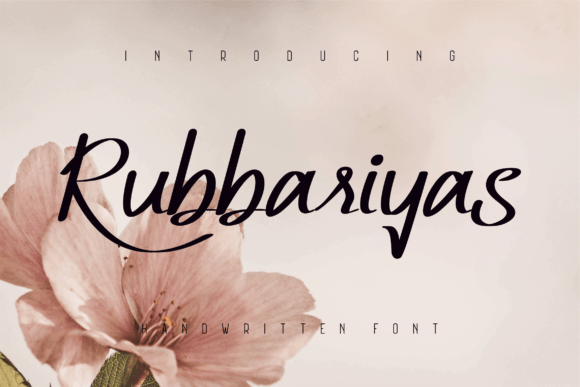
In the crowded landscape of digital typography, finding a typeface that bridges the gap between casual warmth and high-end sophistication can be a challenge. Rubbariyas Font has emerged as a compelling solution for designers and creators seeking that specific balance. As an elegant, classy, and modern handwritten typeface, it offers a distinct personality that can elevate a project from mundane to memorable. However, the difference between a design that looks professional and one that looks chaotic often lies in how the font is applied. Whether you are a small business owner crafting a logo or a social media manager curating a feed, understanding the nuances of this font is essential to avoid common typographic pitfalls.
The Allure of the Handwritten Aesthetic
Rubbariyas is not just another script font; it is designed to mimic the fluidity of natural handwriting while maintaining the legibility required for commercial use. This makes it particularly attractive for the fashion and apparel industries, where brand identity relies heavily on visual storytelling. Imagine a high-end boutique using a rigid, blocky font for its signage versus one that uses the flowing strokes of Rubbariyas. The latter immediately communicates a sense of personal touch and luxury.
Beyond fashion, this font finds its home in album covers, wedding invitations, and branding materials for influencers. Its versatility stems from its ability to feel intimate without being messy. For entrepreneurs and freelancers, this presents an opportunity to humanize their digital presence. However, the very quality that makes handwritten fonts appealing—their personality—can also be their downfall if not managed correctly.
The Trap of Over-Stylization
One of the most frequent mistakes beginners make when using Rubbariyas Font is over-stylization. Because the font has such a strong character, there is a temptation to pair it with other highly decorative elements. This is where many designs begin to fail.
When you place a font like Rubbariyas against a background that is equally "busy"—such as a heavily textured image, a complex pattern, or alongside other ornate display fonts—the result is visual noise. The viewer’s eye does not know where to rest. This affects usability and communication; if your audience cannot read your message clearly within the first few seconds, they will scroll past.
The Fix: Treat Rubbariyas as the "hero" of your design. If you are using it for a logo or a headline, ensure the supporting elements are subdued. Use solid, muted backgrounds or high-quality images with areas of negative space. The goal is to let the elegance of the font breathe. A minimalist approach often yields the most sophisticated results when working with expressive scripts.
Legibility and Sizing: The Non-Negotiables
A common misunderstanding regarding handwritten fonts is that they work well at any size. This is rarely true, and it is a critical detail to check before finalizing a design. While Rubbariyas is designed with clarity in mind, the intricate loops and swashes that give it its charm can become illegible when scaled down too small.
Consider the context of use. If you are designing a magazine spread or a social media post, the headline might be large enough to showcase the font’s details. However, if you attempt to use Rubbariyas Font for body text or a lengthy disclaimer on a website, the continuous flow of connected letters can cause eye strain. This leads to poor user experience and high bounce rates.
The Fix: Reserve Rubbariyas for headers, titles, logos, and short, impactful phrases like taglines or signatures. For the body of your text—whether it is a blog post, product description, or email marketing copy—pair it with a clean, neutral sans-serif or serif font. Fonts like Montserrat, Open Sans, or Lato provide a modern, stable counterweight to the fluidity of Rubbariyas, ensuring your message is both beautiful and readable.
Contextual Awareness and Audience Expectations
Choosing a font is not just about aesthetics; it is about psychology and audience expectation. A frequent error is applying a stylish handwritten font to a context where clarity and authority are paramount. For instance, using Rubbariyas for legal terms, technical specifications, or urgent safety instructions would be a poor decision. The casual nature of the script might inadvertently undermine the seriousness of the content.
Imagine receiving an invoice where the total amount due is written in a flowing, cursive script. While it might look artistic, it lacks the professional gravity expected in financial communications. This mismatch can erode trust.
The Fix: Always analyze the "voice" of your content. Rubbariyas Font speaks the language of creativity, romance, luxury, and personal connection. It is perfect for a bakery’s menu, a fashion blogger’s Instagram story, or a wedding planner’s brochure. It is less suitable for a corporate compliance report or a technical user manual. Matching the font’s personality to the content’s intent ensures your communication is effective and appropriate.
Technical Mistakes: Spacing and Alignment
When downloading and installing a new font, many users overlook the technical adjustments required to make it look professional. One of the most overlooked details with script fonts is kerning (the space between individual characters). Because handwritten fonts connect letters in specific ways, default software spacing can sometimes create awkward gaps or overlaps.
Furthermore, alignment can be tricky. Because Rubbariyas has a baseline that mimics natural writing, it may not sit perfectly on a straight line in the same way a blocky serif font does. If you force strict alignment without adjusting for the font's natural curves, the text can look jagged or uneven.
The Fix: Do not rely solely on default settings in your design software. If you are using the font for a logo or a major header, take the time to manually adjust the kerning. Zoom in and look at how the letters interact. If two letters look too far apart or are colliding, adjust them manually. Additionally, consider using a slight curve or wave to your text line if the layout allows, rather than forcing a rigid horizontal structure. This respects the organic nature of the typeface.
File Formats and Licensing: The Boring Essentials
For freelancers and business owners, there is a practical side to font acquisition that is often ignored until it causes a problem: licensing. A major mistake is using a free version of a font for commercial purposes without checking the license. Many fonts available for free download are strictly for personal use. If you use Rubbariyas Font on a product you sell, a client’s logo, or merchandise without the proper license, you could face legal and financial repercussions.
Additionally, technical compatibility matters. Ensure the font file you download (TTF, OTF, or Webfont) is compatible with your operating system and the software you use.
The Fix: Always purchase fonts from reputable foundries or authorized distributors. Read the End User License Agreement (EULA). If you are a designer creating work for a client, ensure the license covers the client's usage or that the client purchases the font. This small step prevents costly mistakes and supports the type designers who create these tools.
Final Thoughts on Mastering Your Typography
Typography is a silent ambassador for your brand. Rubbariyas Font offers a powerful tool for those looking to inject personality, elegance, and modernity into their work. By avoiding the common pitfalls of over-stylization, ignoring legibility, and misaligning the font’s voice with your content, you can harness its full potential.
Remember that good design is about restraint and intention. Use Rubbariyas to highlight the most important parts of your message, pair it with complementary fonts that support rather than compete, and always ensure your technical execution is polished. Whether you are launching a new fashion line, designing a wedding invite, or branding your startup, this typeface can be the element that ties your vision together—provided you use it with care.