Typex III Font: A Modern Slab Serif for Creative Projects
Finding a typeface that balances distinct personality with professional versatility is a constant challenge for creators. The Typex III font family emerges as a compelling solution, offering an elegant slab serif design tailored for contemporary projects demanding impeccable typography. It’s not just another font; it’s a design tool that provides clarity, structure, and a subtle, modern edge.
Understanding the Typex III Typeface
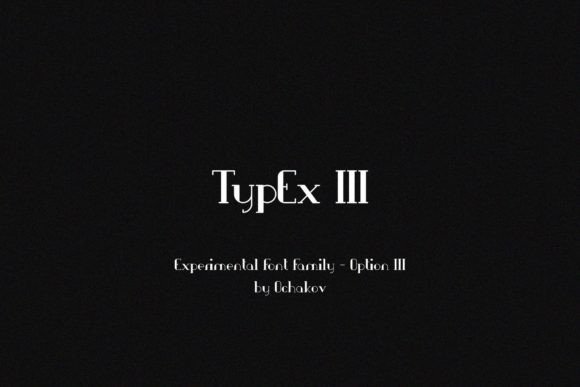
At its core, Typex III is an experimental font family that reimagines the classic slab serif. Traditional slab serifs are known for their sturdy, block-like serifs, often conveying strength and reliability. Typex III refines this heritage. It retains the robust, readable foundation but introduces smoother curves, more balanced proportions, and a lighter overall texture. This fusion results in a typeface that feels both authoritative and approachable, structured yet fluid.
The "experimental" aspect of its design is key. This isn't about radical, unreadable shapes. Instead, it refers to a thoughtful exploration of form within the slab serif genre. You might notice nuanced details in the letter terminals, a distinctive 'a' or 'g', or how the serifs interact with the main strokes. These details give Typex III font its unique character without sacrificing the functionality required for professional work.
Practical Applications for Designers and Marketers
The true value of a typeface lies in its application. Typex III’s elegant structure makes it remarkably adaptable across various media and purposes.
Brand Identity and Logo Design
For businesses seeking a brand voice that is modern, trustworthy, and slightly distinctive, Typex III is an excellent candidate. Its slab serif nature conveys stability—ideal for law firms, financial consultancies, or architecture studios—while its elegant detailing prevents it from feeling overly conservative. A marketing agency or a boutique hotel could use it to project sophistication without coldness. Pair it with a clean sans-serif for body text to create a dynamic, professional typographic system.
Editorial and Publishing
In the realm of publishing, readability is paramount. Typex III excels in both display and text sizes. For book covers, magazine headlines, or blog post titles, it commands attention with its strong silhouette. For longer passages of text, its carefully crafted letterforms and spacing ensure a comfortable reading experience. Educators and publishers creating textbooks, reports, or online articles will find it enhances comprehension while maintaining visual interest.
Digital Interfaces and Web Design
While many slab serifs can feel heavy on screens, Typex III’s refined weight makes it surprisingly effective for digital use. It can bring personality to website headers, navigation menus, or call-to-action buttons, especially in contexts like portfolio sites for freelancers or product pages for small businesses. When used for larger UI text, it helps establish a clear visual hierarchy that guides the user’s eye.
Creative Explorations and Project Ideas
Beyond standard applications, Typex III invites creative experimentation. Its "experimental" label encourages designers to push boundaries.
- Poster and Packaging Design: Use Typex III in bold weights for impactful posters. Its structure works well for event promotions, gallery exhibitions, or product packaging where you need type to be both a functional label and a graphic element. Imagine it on craft coffee bags, artisanal food labels, or vinyl record sleeves.
- Infographics and Data Visualization: Clear labeling is crucial in data-heavy projects. Typex III’s legibility at various sizes makes it perfect for infographic headers, chart labels, and key takeaway callouts, ensuring your data is understood at a glance.
- Experimental Layouts: Play with scale and arrangement. Use an oversized, letter-spaced Typex III headline as a central graphic element in a poster. Combine different weights from the family to create rhythmic, layered compositions in a magazine spread or a digital art piece.
Adapting Typex III for Different Audiences
The effectiveness of your typography hinges on audience perception. Here’s how to tailor Typex III for specific groups:
- For a Professional, Corporate Audience: Employ the Regular or Medium weights. Use it for headings in presentations, annual reports, or corporate websites. The font’s inherent elegance and stability communicate competence and attention to detail. Ensure ample white space and pair it with a neutral sans-serif for a clean, authoritative look.
- For a Creative, Artistic Community: Don’t shy away from the bolder weights or more distinctive stylistic alternates if available. Use it in zine layouts, artist statements, or gallery promotional materials. Here, the experimental side of Typex III font can shine, creating a sense of innovation and artistic intention.
- For a General Consumer Market: Focus on readability and warmth. Use it for packaging text, brochure headings, or e-commerce site banners. Its approachable elegance can make a brand feel more refined and trustworthy without being intimidating.
Best Practices for Effective Implementation
To ensure your use of Typex III is both clear and effective, keep these practical guidelines in mind:
- Establish Hierarchy: Use different weights (e.g., Bold for headings, Regular for subheadings) to create a clear visual order. This helps organize information and guides the reader through your content logically.
- Mind the Spacing: Pay close attention to tracking (letter-spacing) and leading (line-height). Slab serifs often benefit from slightly more open tracking in headlines to prevent letters from clashing. For body text, ensure leading is sufficient for comfortable reading.
- Test Across Contexts: Always preview your typography in its final environment. Check how Typex III renders on different screens, in print proofs, or on physical materials. Ensure it maintains its integrity and legibility at all intended sizes.
- Pair Thoughtfully: Typex III pairs well with a wide range of typefaces. For a classic contrast, combine it with a geometric sans-serif. For a more unified feel, pair it with a humanist sans-serif that shares some of its subtle curves. Avoid pairing it with another strong serif that might compete for attention.
The Typex III font is more than a set of characters; it’s a versatile partner in the design process. By understanding its unique blend of traditional strength and modern refinement, creators across disciplines can harness its potential. Whether you’re building a brand identity, designing a publication, or crafting a digital experience, Typex III provides the typographic foundation to make your work clear, professional, and distinctly memorable. It empowers you to focus on your message, confident that the typography supporting it is both beautiful and built to perform.