Gingerbread Font: Your Friendly Handwritten Typeface
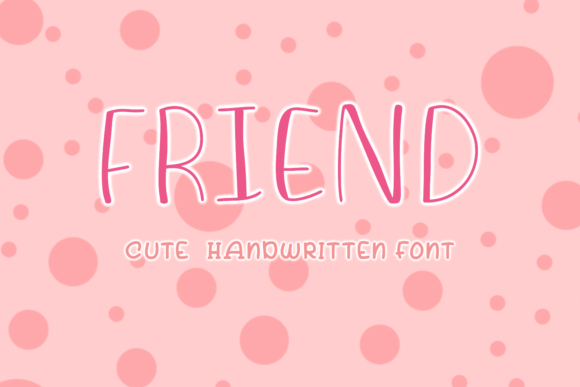
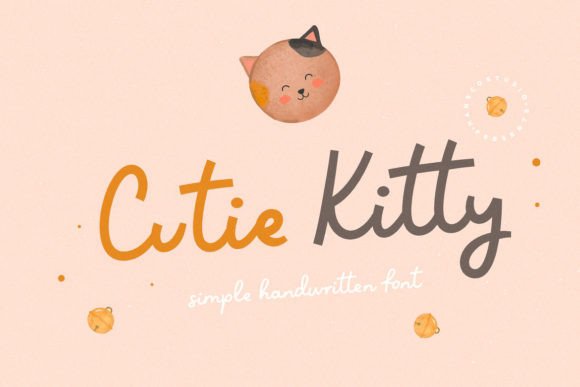
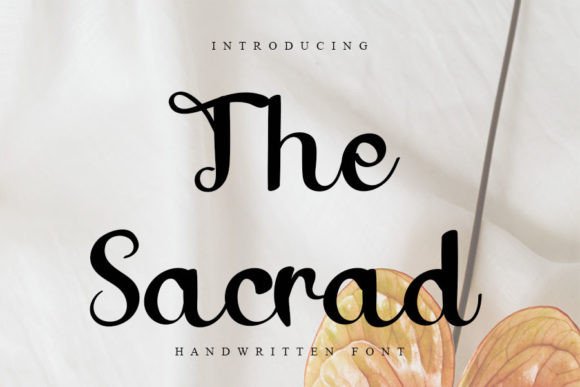
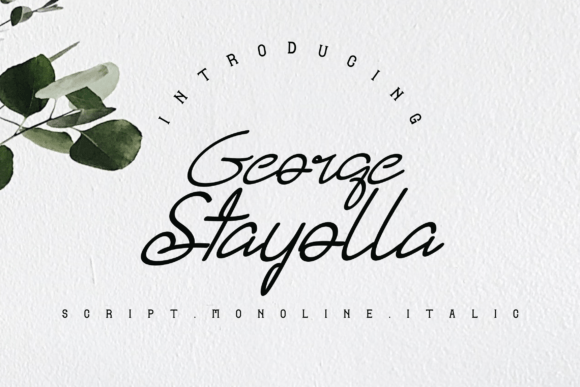
There’s a particular warmth that comes from a handwritten note. It feels personal, immediate, and human. In the world of digital design, capturing that authentic feeling without sacrificing clarity or professionalism is a constant challenge. This is where the Gingerbread Font steps in. It’s not trying to be a formal script or a whimsical display font; it’s a straightforward, approachable handwritten font that feels like a friend’s handwriting. Its simple, clean lines and consistent letterforms make it incredibly versatile, moving beyond the realm of novelty into a practical tool for everyday design.
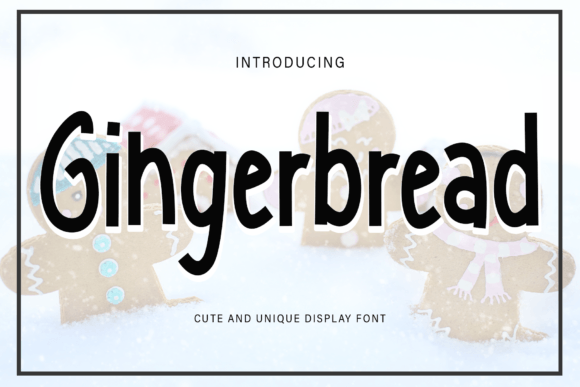
At its core, Gingerbread is a premium font built for clarity. The strokes are even, with a slight, natural variation that prevents it from looking sterile or robotic. Unlike some script fonts that can become illegible at smaller sizes, Gingerbread maintains its friendly character even in longer lines of text. The x-height is generous, which aids readability, and the spacing between letters is balanced. This isn’t a font that shouts for attention with dramatic flourishes; its strength lies in its quiet confidence and reliability. It’s the typographic equivalent of a warm cup of tea—comforting, dependable, and suited to a wide variety of situations.
Where Gingerbread Font Truly Shines
The beauty of a typeface like Gingerbread is its adaptability. It’s a creative font that doesn’t pigeonhole itself. For crafters and hobbyists, it’s a natural fit for scrapbooking, personalized gifts, and DIY projects. The letterforms are easy to cut out with a vinyl cutter or trace for hand-lettering projects. For small business owners and entrepreneurs, it offers a way to inject personality into branding without appearing unprofessional. Think of a bakery’s logo, a boutique’s shopping bags, or the thank-you cards tucked into online orders. Gingerbread adds a human touch that builds connection.
In the digital space, its applications are just as broad. Bloggers and content creators can use it for header graphics, quote cards on social media, or section breaks in articles to add visual interest. It works beautifully in web design for call-to-action buttons, sidebar labels, or short promotional text where a standard sans serif font might feel too cold. For marketers, it’s excellent for creating social media graphics that need to feel approachable and shareable. The font’s friendly demeanor can make a message feel less like an advertisement and more like a recommendation from a trusted source.
Making It Work: Practical Guidance for Your Projects
Choosing the right font is about more than just liking how it looks; it’s about fit. The first step is to evaluate your project’s needs. Gingerbread Font excels in contexts where warmth, approachability, and a personal touch are valued. It might not be the ideal choice for a corporate annual report or a high-tech company’s brand identity, but for a yoga studio, a children’s clothing line, a local café, or a personal blog, it could be perfect.
Next, consider font pairing. A handwritten font like Gingerbread rarely works well as the sole typeface in a design. It needs a partner to provide structure and contrast. A classic approach is to pair it with a clean, geometric sans serif font for body text. This creates a clear visual hierarchy: Gingerbread draws the eye for headlines or key phrases, while the sans serif ensures longer blocks of text remain highly readable. For a more eclectic, creative feel, it could also be paired with a simple, sturdy serif font. The key is to let Gingerbread be the star of the show in limited, impactful doses.
Always test the font in your specific context. How does it look at the size you’ll be using it? Does it remain legible on both a desktop screen and a mobile phone? Check the included styles—does the typeface come with multiple weights or alternates that give you more design flexibility? For any commercial use, from packaging design to editorial design, verifying the licensing is a non-negotiable step. A quality commercial font will provide clear licensing terms for different uses.
The Subtle Power of a Friendly Typeface
Typography is a silent ambassador for your message. The font you choose influences how your content is perceived before a single word is read. Using Gingerbread Font strategically can shape audience perception. It signals that a brand or project is approachable, creative, and values personal connection. It can make a small business feel more accessible and a personal project feel more heartfelt.
However, this influence works best with intention. Overusing a handwritten font can dilute its impact and harm readability. The goal is to use it to highlight, not to overwhelm. In logo design, it could be used for the wordmark itself, but the supporting text in the logo lockup might use a complementary sans serif. In a brochure, it might be perfect for pull quotes or section headers, but the main body copy should be in a highly readable font. This thoughtful application ensures the font enhances your design assets rather than competing with them.
In a landscape crowded with either overly formal or excessively quirky typefaces, Gingerbread Font occupies a valuable middle ground. It’s a modern typography solution that doesn’t follow fleeting trends. Its strength is its simplicity and the genuine, friendly feeling it conveys. For designers, marketers, and creators looking for a display font that adds a human touch without sacrificing clarity, it’s more than just a seasonal novelty—it’s a versatile tool worth considering for a wide array of projects where connection is key.