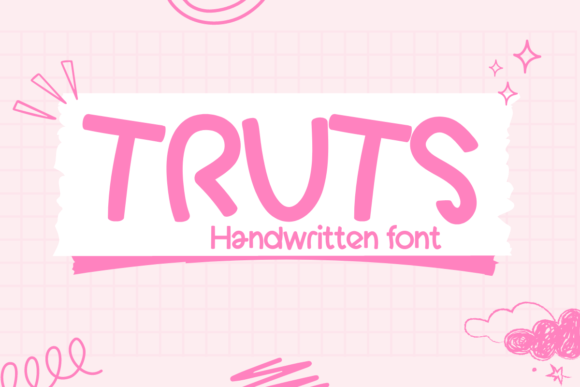
Macker Font: Capturing the Authentic Handmade Feel in a Digital World
In an era dominated by pixel-perfect interfaces and algorithm-generated precision, there is a distinct and growing hunger for authenticity. We see it in the resurgence of film photography, the appreciation for artisan goods, and, significantly, in the digital typography landscape. Enter the Macker Font, an interesting handwritten typeface that bridges the gap between digital convenience and human imperfection. It is not merely a collection of letters; it is a tool designed to evoke the warmth, spontaneity, and tactile quality of human expression. For professionals and creators seeking to inject personality into their work, understanding the nuances of a font like Macker is becoming less of a stylistic choice and more of a strategic communication decision.
The Anatomy of Authenticity: Varying Thickness and Natural Flow
What sets Macker apart from the thousands of script fonts available is its deliberate embrace of inconsistency. When we look at standard digital fonts, the "O" is always the same shape, and the "L" maintains a constant width. Macker Font disrupts this uniformity through varying thickness. This characteristic mimics the physical reality of writing with a pen or brush, where pressure changes naturally as one moves through a word. A stroke begins heavy, lifts, and lands light.
This variation is crucial for creating a natural handmade feel. When a viewer sees this variation, their brain subconsciously interprets it as human-made. It triggers a sense of trust and approachability that rigid, geometric fonts often fail to establish. For a freelancer crafting a logo for a local bakery, or a blogger designing a header for a travel journal, this texture provides an immediate visual shorthand for "personal" and "crafted." It tells the audience that there is a human behind the content, not just a corporation.
Visual Trends and the Shift Toward "Imperfect" Design
The design world is currently experiencing a pendulum swing away from the sterile, "Swiss style" minimalism that dominated the 2010s. While clean lines and sans-serif fonts remain essential for legibility in body text, the visual landscape is increasingly saturated. To cut through the noise, creators are turning to aesthetics that feel warmer and more tactile.
This shift is driven by changing user expectations. Modern consumers, particularly Millennials and Gen Z, have developed a keen eye for "stock" aesthetics. They can spot a generic template from a mile away. Consequently, brands are looking for ways to appear more grounded. The Macker Font fits perfectly into this trend. It offers a way to modernize a brand voice without losing the human touch. We are seeing this applied not just in logos, but in digital invitations, social media quotes, and even user interface elements where a "friendly" tone is required. It represents a move toward design that feels lived-in rather than manufactured.
Applications in Modern Workflows
The utility of a handwritten font like Macker extends across various professional disciplines. It is a versatile asset that adapts to different contexts, provided it is used with intention.
- Brand Identity and Marketing: For small businesses and startups, establishing a distinct personality is vital. Macker Font can be used to highlight key messages in advertisements or to create a signature look on packaging. It suggests that the product is made with care.
- Digital Content Creation: Bloggers and social media managers often struggle to make text-heavy graphics engaging. Using Macker for pull quotes or call-to-action buttons can break the monotony of standard web fonts, drawing the reader's eye to the most important information.
- Presentation and Education: Educators and corporate presenters are moving away from rigid slide decks. Using a font like Macker for annotations or emphasis can make a presentation feel more like a collaborative workshop and less like a lecture.
Technical Considerations: Legibility vs. Aesthetic
While the Macker Font excels in personality, it requires a thoughtful approach to implementation. One of the most common pitfalls in using handwritten fonts is sacrificing legibility for style. Because Macker features varying thickness and a cursive or semi-connected style, it can become difficult to read at small sizes or in large blocks of text.
The best practice is to use Macker for display purposes—headings, subheadings, logos, and short bursts of emphasis. It is not designed to replace your primary body text font (like a serif or sans-serif). Instead, it should complement it. A pairing of a clean sans-serif with Macker creates a hierarchy that is both functional and aesthetically pleasing. The sans-serif provides the stability and readability for long-form reading, while Macker provides the emotional hook and visual interest.
The Evolution of Handmade Typography
Typography has always been a reflection of the technology used to create it. In the past, handwritten fonts were often stiff and unconvincing because they were created by tracing static letters. Today, the evolution of OpenType features and variable font technology allows type designers to create fonts that behave more dynamically.
Macker represents this evolution. It feels "interesting" because it likely captures the fluidity of actual handwriting tools—perhaps a felt tip marker or a brush pen. The varying thickness isn't random noise; it is carefully designed to maintain rhythm. This evolution means that digital designers no longer have to choose between the efficiency of digital text and the beauty of hand lettering. We are at a point where the digital tool can accurately simulate the analog experience, allowing for a more nuanced expression of tone.
Practical Implications for Creators and Businesses
For the entrepreneur or creator considering Macker Font, the implications are practical and immediate. Adopting a font with a natural handmade feel is a subtle way to humanize a digital presence. In a time when consumers are wary of automation and AI-generated content, visual cues of human effort can be a powerful differentiator.
Consider the example of an online course creator. If their landing page uses only standard corporate fonts, it may feel impersonal. By using Macker for the course title or testimonial headers, the creator signals that they are personally invested in the student's success. It creates an emotional bridge before the customer has even read the sales copy.
However, it is important to avoid overuse. If every element on a page is handwritten, the design loses its emphasis and becomes chaotic. The strength of Macker lies in its ability to stand out against a structured background. It should be used as an accent color in your typographic palette, not the entire canvas.
Conclusion: Embracing the Human Element
The Macker Font is more than just a stylistic choice; it is a response to the digital fatigue many of us experience. Its varying thickness and natural feel offer a visual respite from the rigid geometry of modern interfaces. For professionals, marketers, and creators, it provides a tool to communicate warmth, authenticity, and personality in a way that resonates with contemporary audiences.
As we continue to navigate a world where digital interactions often replace physical ones, the tools that help us retain our humanity will become increasingly valuable. Macker allows us to bring the imperfection and beauty of the human hand into our digital workflows, ensuring that our messages are not just seen, but felt. Whether you are designing a wedding invitation or a startup pitch deck, incorporating a touch of the handmade can make all the difference.